Have you ever leased a car? You pay a monthly fee and have full use of that vehicle until the lease is up. It’s an affordable way to have a new car to drive, but you have to follow the lease terms carefully and decide if you want to purchase it at the end.
Subscription-based electronics takes that idea and offers items like desktops, laptops, and televisions. You pay a monthly fee or subscription and use the electronic device until the subscription ends. It’s a growing trend, but it’s one that you shouldn’t rush into without fully understanding your obligations and what happens when you return it.
Why Are Subscriptions Growing in Popularity?
Many electronics companies are turning to subscription-based programs because they get a steady stream of income. Instead of having 100 consumers purchase new laptops one month and experiencing 10 sales the next month, these subscription-based electronics companies know there will be money coming in every month.
It also helps build brand loyalty. Think of the person who leases a car through a certain dealer. When the lease is up, they need to purchase that car or lease or buy something else. They have an established relationship with that dealer, so it makes sense to work with that company again.
The same is true of subscription-based electronics. You’re already subscribed and working with that company, so you’re more likely to continue subscribing to electronics with them.
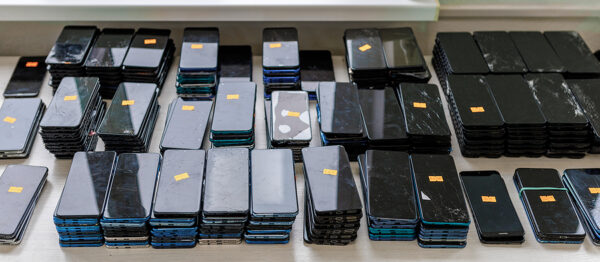
Subscription-based electronics are better for the environment. While people have a habit of building up old electronics, a company specializing in subscriptions receives the items and immediately recycles or refurbishes them.
The parts or components get used repeatedly, which lowers the amount of new raw materials needed to make the next generation of models. Nothing sits around in storage units, attics, garages, drawers, or basements for decades.
Why Subscribe to an Electronics Provider?
Why choose a subscription-based service? There are several benefits for consumers.
- Lower cost
- Constant access to the latest technology
- Free maintenance and repairs
- No more old electronics sitting around
- Steady monthly payment
Points to Consider Before Signing an Agreement
Don’t lose track of the considerations that might make purchasing better in your situation. While renting is more appealing because of the lower cost, over time, you could spend more than an upfront purchase would cost.
If you’re making two years of $50 payments for a new phone, you’ve spent $1,200 when the subscription ends. If you’d purchased that phone outright, you would have paid $1,000. You haven’t saved money if you look at it that way.
When you own an item, you build equity. With a subscription, you spend the money to use the electronic, but it’s never yours.
There are rules on how you need to use, maintain, and repair a broken or slow device. This can mean waiting for the device to reach their repair team after you ship it. Then, you have to wait for the repair and return of that device. Not having control over who repairs or maintains your electronics can become a hassle.
At some point, you must return your item to the company. What happens then? Even after a factory reset, there is personal information and data remaining deep within the storage on that device. If someone possesses the knowledge, they could access and steal your personal information.
Ask About IT Asset Disposal (ITAD)
This is one of the most important considerations when it comes to renting electronics. When you own your devices and no longer need them, you have full control over what happens next. You could sell it, donate it, or deliver it to a recycling facility.
With subscription electronics, the decision is not yours to make. The item may be donated, sold, or sent to recycling, and you have no say in the matter. The next person to take possession of that electronic device could access all of your personal information, photos, and files.
Before you sign up for subscription electronics, ask where the used electronics end up. The company should partner with an ITAD specialist. You want to ensure that’s what happens for the following reasons.
Data security: Even after a factory reset, there are ways to access the information you’d stored on a phone, laptop, or tablet. Think about what’s on your device. Tax returns, company documents, and private photos could all be accessed by someone with dishonest intentions.
Environmental impact: Electronics are packed with metal, glass, plastic, and even chemicals in the batteries. If handled incorrectly, these can get into the air, soil, and water and cause pollution. It’s why electronics recycling is essential.
Recycling volume: A company that offers subscription electronics will end up with dozens or hundreds of old electronics to recycle. The bulk amount takes time to assess, break down, refurbish, or recycle. The heavy volume can overwhelm local recycling facilities.
Refurbished technology: Most subscription electronics still have life left. They might not have the same processing power or storage as a newer device, but they’re still valuable to some. For example, older phones could be refurbished and donated to programs that help victims of domestic abuse.
Critical Measures to Follow Before You Return a Device?
Before returning an electronic device, make sure you’re protecting yourself. Don’t leave it up to the company and hope they do what’s right. Follow these steps to protect yourself.
- Back up any data to cloud storage or an external hard drive.
- Unlink any smart devices from your home network.
- Complete a factory reset.
- Follow the return instructions carefully.
Once the item is back with the subscription-based electronics provider, follow up to ensure they’ve received it and are keeping their end of the agreement. If they promised you’d get a certificate proving data destruction, ask where it is. Follow up until you have it.
Carefully Choose a Subscription-Based Electronics Provider
While subscription-based electronics have the potential to support a circular economy, you need to move carefully when choosing a company to work with.
- Ask the right questions to ensure the company’s ITAD practices are understandable and responsible.
- Read the fine print carefully and ensure you agree to everything.
- Data security needs to be a priority.
Ask who they work with to destroy data, refurbish the used electronics, and remarket them for resale when possible or recycle them if needed. If they’re not willing to answer your questions, move on to the next provider.
You want them to use a company like ERI that specializes in all aspects of ITAD and processes all older electronics locally. If a company ships electronics to another country for processing, you don’t know where those items will end up.
Specifically, choose companies that partner with an ITAD provider with R2 and e-Stewards certification. It’s a level of protection that ensures your data is protected, and the recycling process is designed to avoid any impact on the environment.