A company I know of uses a lot of the same technology that was installed in the 1960s when the plant opened. The company’s owner would rather spend time and resources trying to find tool and die specialists, electricians, and engineers who can keep the equipment going with quick fixes and patches that go back to languages like BASIC that are rarely used.
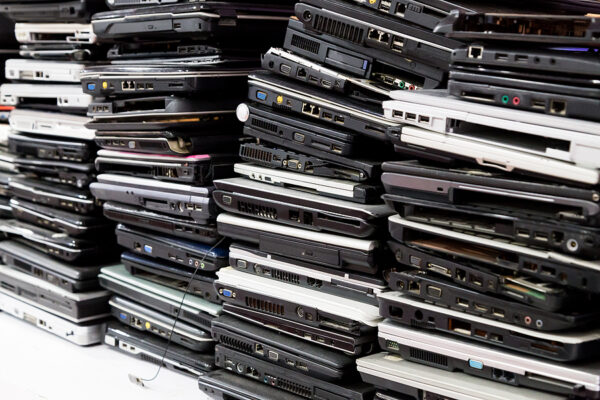
Sound familiar? Many companies try to save money by making their hardware, software, and other forms of technology last. While we applaud using something for its full lifespan, there comes a time when legacy technology is past its prime and needs to be updated and the old tech recycled.
The Hidden Costs of Legacy Technology
When you rely on old technology, how much are you losing? It’s often more than you might imagine.
1. Data LossData analysts spend hours every day hunting for data and using it to solve problems or answer questions. If that data is impossible to reach, analysts don’t have a full picture.
Suppose a data analyst is using SQL to find information deep within a database. Your system is outdated and doesn’t understand or support SQL. You lose access to everything in that database, or pay additional researchers to find a path to the data using unconventional ways.
It takes time to access data when you can’t run a quick SQL search. If you need information urgently for a board meeting, you’re out of luck. Your investors and shareholders may lose faith in your ability to run the company.
2. Equipment DowntimeHow often is your older technology down? Suppose there’s a specific computer component needed on one of your manufacturing lines. That part isn’t readily available, so you have to order it from another country and have it shipped to your plant.
It can take time to get through customs and to your door. Are you prepared to have a machine down for weeks instead of hours? How many orders could you lose in the meantime?
3. Higher Energy ConsumptionOlder technology uses more electricity. As new technology comes out, it’s been designed to minimize its carbon footprint. You save money with efficient technology.
Replacing old servers with new ones can slash your energy bills by as much as 70%. Switches today use about 55 times less than legacy switches.
You do have to pay for the upgraded technology. Over time, the energy savings help you recoup those expenditures.
4. Increased Difficulty Finding Workers and VendorsWhen you’re using legacy equipment, vendors and job applicants may lack any training on older systems. It’s not something schools bother teaching, as it’s outdated. This makes it harder to find suitable talent for repairs, upkeep, and daily work.
A Paycom study found that company executives believed about half of their employees were frustrated by outdated technology. The reality is that 77% of employees reported being tired of using old equipment.
5. Inefficient OperationsA Deloitte study found that 3 out of 5 CTOs reported that modern programs couldn’t run on their outdated system. Another problem that more than half of business leaders experienced was poor business agility.
It’s hard to run an efficient, productive company without having updated technology. Times have changed, and software embraces newer technologies like AI and cloud-based servers. If your business is using old technology, you may find that components are not compatible with the software you need to keep ahead of the competition.
6. Maintenance DemandsLegacy technology needs more frequent repairs or patches to keep it working. If software updates are no longer offered, you might need an IT team capable of figuring out how to keep things running. A lot of your revenues go into additional maintenance and monitoring.
Have you needed IT support for something, but they’re all busy trying to fix security issues? Maintenance demands increase IT workers’ hours. You spend a lot more on overtime when they’re constantly fixing legacy systems.
7. Poor Customer RetentionWhat do your customers think of your business? If you’re still using legacy technology, they may develop unfavorable impressions.
Legacy equipment is an environmental burden. It uses more energy. It’s also slower. If your customers run into a pain point while trying to load your site, get through on the phone, or visit your office, they may never return.
- 55% of consumers will spend more money if a brand is sustainable.
- 78% of consumers prefer sustainable brands and companies.
- 84% of consumers refuse to support companies or brands with poor environmental practices.
Many companies have federal and state regulations they must abide by. Hospitals, medical practices, doctors, and nurses must follow HIPAA regulations. Website owners need to follow privacy regulations like CPRA. Financial institutions must follow AML and FINRA.
Failure to maintain compliance leads to fines. Consumers, employees, and clients may file class action lawsuits for breaches or a lack of measures to protect privacy. It gets costly.
Older technology can be easier to get into, especially if security patches are lacking. Maintaining technology capable of protecting people is a big part of your obligation to workers and consumers. In fact, Forbes reported that 70% of data breaches occurred on legacy IT systems. Don’t risk it.
The Financial Burden of Technical Debt
Technical debt is defined as the extra money an organization spends after taking shortcuts or relying on outdated technology. It’s estimated that companies across the U.S. spend more than $2.4 trillion fixing cybersecurity events and legacy technology failures.
Across the U.S., companies spend up to 40% of their budget on IT support for managing technical debt. With newer systems in place, you avoid losing valuable revenue to continued support and maintenance.
Modernizing Your Technology Is Key
Save money, have happier workers, and draw talent by making sure your technology is updated and ready to embrace the future. ITAD services help you get started. Delete data, upgrade your old computers, printers, server banks, etc., and step into an efficient, fast workplace.
Legacy technology impacts a company in many ways, and you may not be saving as much as you think. While it does cost money to upgrade all old equipment, you save a lot on energy bills, production or output, and employee satisfaction. No one likes struggling to get the job done on equipment that isn’t dependable.
ERI is here to help you analyze the technology you have, assess what pieces are still valuable, and ensure data is destroyed and items are properly recycled. Reach us online or by phone to learn more about recycling legacy technology while profiting from usable items. When you get money back for recycling, it helps you afford the ITAD services involved for data security and regulatory requirements.