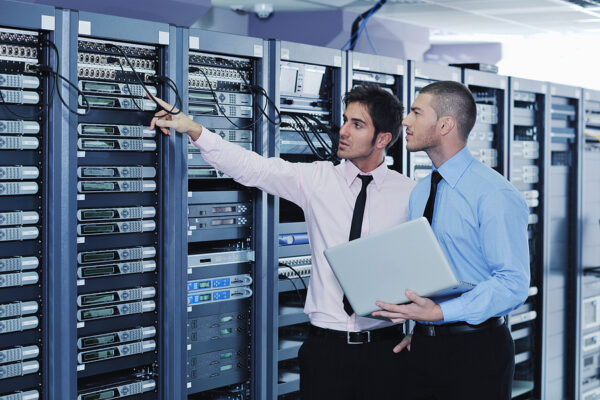
There’s more to a data center upgrade than increasing power and racking new servers. Each time you refresh your hardware, which usually happens within a couple of years, you create large quantities of decommissioned hardware, network gear, and storage media.
If any of this goes untraced and ends up in someone else’s hands before data is destroyed, your liability is significant. In addition to fines for potential data breaches, class action lawsuits take up valuable time and finances.
ERI knows that IT asset disposition (ITAD) cannot be an afterthought. It needs to be a primary component of any data center upgrade. You have to start planning long before the upgrade occurs.
ITAD Needs to Be Your Priority
You shouldn’t start arranging ITAD after the upgrades are completed. ITAD should happen before new hardware arrives and is installed.
You need to start by having a detailed list of the hardware you have, including its location, serial number, and whether it’s owned or leased. As you order new equipment and it arrives, it goes onto the list.
Choose an ITAD partner in advance. They need to be prepared for transportation to their facility. Plus, ERI can come right to your data center for on-site ITAD services if desired. On the day of the upgrade:
- Clearly identify roles for everything from who is de-racking hardware to who is keeping track of the master inventory.
- Reconcile the items you’ve removed and installed with your master list.
- Separate leased items to ensure you don’t accidentally send a leased item for ITAD and physical destruction and end up paying a buy-out penalty.
- Return any leased equipment following the lessor’s requirements.
Don’t Let Assets Leave the Floor Without Undergoing Data Destruction
Nothing should leave the area without first wiping all data. If anything is overlooked and you’re unaware, the data on it becomes an expensive problem.
- Use recognized standards-based sanitization frameworks like NIST SP 800-88.
- Wipe data from all devices, even non-obvious storage media like embedded flash or library tapes.
- Remember that SSDs require special handling, so cryptographic erasure or block-level sanitization is necessary.
- Physical destruction is often the best option if you have damaged drives that won’t accept erase commands or you’re certain a device has no value left.
- Get proof of data destruction and keep clear logs of how it was destroyed, when, and the serial number of the device that was destroyed.
Separate Items of Value Early
Data centers may no longer find a processor useful enough for the work it does, but that processor could be useful to a student in need of a computer for online classes. That’s why some components undergo data destruction and refurbishing for reuse.
- Separate scrap and potential assets for reuse as early as possible.
- Protect valuable hardware to avoid loss from accidental damage.
- Remember that depreciation matters, so you need to move fast before an item becomes obsolete.
Meet Environmental and Sustainability Goals
Data centers are always under public scrutiny. Corporate sustainability and ESG reporting are important. Always focus on reuse and refurbishment first before moving to recycling and recovery of metals, hazardous materials, and rare earth elements.
If you partner with an ITAD provider, ask them for metrics that support corporate sustainability and ESG reporting. You’ll need that for reporting.
Maintain a Strong Chain of Custody
Chain of custody is important as it ensures that each handoff is done correctly and tracked. You want indisputable evidence showing where an item was, what step was taken, and where it went next. Until that device is destroyed, wiped, or refurbished, you need to be able to track it.
- Reconcile lists at every transition point, such as from data destruction to secure transport and secure transport to an ITAD and e-recycling facility’s loading dock.
- Make staging zones secure with only specific people able to access that area.
- Require real-time logistics and tracking with the transportation company.
- Verify photo IDs of any ITAD partner you hire to help with your data center decommissioning project.
When the process is done, you need a certificate of destruction to place in your files. Add that to bills of lading, master inventories, and other pieces of evidence.
Closely Check the Credentials and Qualifications of ITAD Partners
Data center upgrades go smoothly when you take appropriate precautions and work with a carefully vetted ITAD provider. Don’t hire a company without asking:
- What are your industry certifications?
- What happens during and after pick-up? How do you vet your downstream partners?
- Do you have liability insurance?
- How do you handle regulatory requirements for my region?
- How do I know what value was assigned to items for remarketing/refurbishing?
- Do you provide real-time logistics tracking?
- When do I get certificates of destruction?
A Quick Checklist for Data Center Upgrades
Each time you upgrade your data center, rely on the same steps. You want to have checklists ready to use, inventory assets against the final certificates of destruction, and immediately resolve any issues with missing or unknown devices.
Use this checklist to ensure your data center upgrades go well.
- Inventory and Audit: Export and reconcile a master list of assets, leased or owned. Make sure the list matches what you have.
- Sanitization Plan: Destroying data is essential and should follow NIST SP 800-88 methods, depending on the media type. Make sure data destruction includes items like boot media and tapes.
- Chain of Custody: Nothing should end up lost in transit or escaping attention during the handoff. Have a staging area locked down and keep the manifests and serial scanning well-managed by a dedicated team.
- Vendor Responsibility: Don’t choose the first vendor you see without carefully researching the qualifications and standard practices. Make sure to carefully vet that ITAD vendor and any downstream vendors they use. E-stewards, R2v3, and NAID AAA certifications are a bare minimum.
- Closeout: Once items are en route to the e-recycling facility, make sure you’re tracking them in real time and know each stage the items are in. Don’t call the job over until you have certificates of destruction in hand. Store your itemized lists and all certificates in a safe place.
When you look at ITAD as part of the engineering and compliance process, it ensures your data center upgrades stay on schedule while protecting your organization from security threats. Your refresh cycles become well-organized, structured events.
ERI partners with data centers across the nation to support a circular economy. In addition to full ITAD services, we also work closely with you to collect the maximum value from your usable components. Only true e-waste goes into the recycling stream. Items of value can be collected and reused in refurbished electronics or parts inventories. Contact us today to learn more.