The popular throwaway culture in the U.S. is reaching a critical breaking point. Around the world, 68.3 million tons of electronics were produced. Only 1% of the rare earth metals needed to make these devices came from e-recycling. Worse, electronic waste has risen 5x faster than e-waste recycling rates.
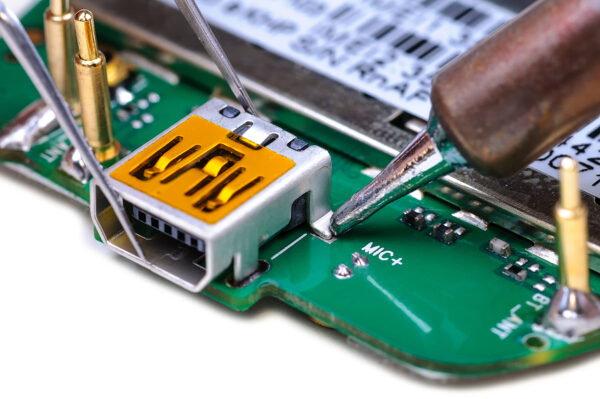
One of the biggest issues has been the difficulty repairing broken smartphones, laptops, tablets, or other electronics. When components are welded in, parts are difficult to source, or tools and instructions are unavailable, a consumer’s only option is to buy a new device. Right-to-repair laws change that.
As of 2026, the Right-to-Repair (R2R) movement has led several states to pass R2R laws.
- California – Passed in 2023
- Colorado – Passed in 2022
- Connecticut – Passed in 2025
- Minnesota – Passed in 2024
- Nevada – Passed in 2025
- Oregon – Passed in 2024
Many others have drafted Fair Repair Act legislation. Times are changing, and manufacturers need to provide the parts and instructions for repairing broken electronics. This also changes what ITAD and electronic recycling specialists must do when collecting e-waste from businesses and local recycling facilities. Refurbishing devices is the key to value recovery and a circular economy.
What is Right-to-Repair?
In the past, a broken device had to be shipped back to an authorized service provider for repairs. Not only were the limitations costly, but consumers might have to wait months to get their device back. Why wait when you could just purchase a new one with the latest technology?
Right-to-Repair legislation requires Original Equipment Manufacturers (OEMs) to provide the same diagnostic tools, repair manuals, and genuine replacement parts to local, independent repair shops and consumers. It’s an incentive to repair a device rather than throwing it away.
The 2026 Legislative Landscape Regarding the Right to Repair
While some states have passed R2R laws, others are still working on enacting them. The legal framework is advancing as more states pass their own versions. Here are some of the current laws and how the legislative landscape is changing.
1. Accessibility of Tools
Some OEMs have specific software that locks devices for security purposes. It also makes it impossible for e-recyclers to refurbish a locked device.
Some of the R2R laws include software and security credentials as part of the “tools” that manufacturers must make accessible to electronics recyclers. It makes it easier to reset devices for resale.
2. Bans on Parts Pairing
This addition stops Original Equipment Manufacturers (OEMs) from adding software locks if serial numbers on parts and devices don’t match. It’s a way for manufacturers to require repairs to be made only with original factory parts.
For example, I had a printer that would only print with OEM ink cartridges. Generic brands and refillable ink kits created errors. I could only clear the error by tossing out the generic ink brand and purchasing ink directly from the manufacturer.
When e-waste recyclers can repair electronic devices using used parts from other broken devices, it ensures all recyclables have value in some way. It keeps two devices from going to shredders, and reuses as much as possible, supporting the circular economy.
3. Fair and Reasonable Terms
The high cost of OEM parts often makes consumers rethink repairs. New laws mandate that OEM parts need to be sold at “fair and reasonable” prices to encourage repairs and refurbishing. It will make it easier for repair shops or consumers to fix their own devices rather than recycle them.
The Impact of R2R on ITAD and Electronics Recyclers
For years, the ITAD and e-waste recycling industry has struggled with proprietary software locks and “planned obsolescence” that intentionally end a device’s value before it’s that old. These restrictions force e-waste recyclers to send laptops, networking equipment, servers, and smartphones to shredders.
While one person cannot afford a device at all, others are forced to purchase new ones every few years, often before they’re ready. It’s a wasteful practice that the right to repair solves.
With R2R laws appearing across the nation, consumers have more say. E-waste recycling firms have greater power to take these valuable devices and refurbish them for resale at lower prices.
1. Increased Return on Investment (ROI)
The primary goal of ITAD is to recover as much value as possible. Any smart business owner wants to maximize ROI. When a device is “locked” or unrepairable, its value is tied strictly to the value of its raw materials, such as copper and gold.
With R2R, an ITAD provider has the tools and parts to refurbish equipment that would otherwise get shredded. For business owners retiring 1,000 company computers, refurbished computer sales yield a significantly higher return on investment.
2. Lowering the Cost of Refurbishment
In the past, if your device failed, the specific component or repair had to be made by an “Authorized Repair Center.” This repair often costs well over the device’s value, making it less attractive than buying new.
With the addition of third-party parts and instructional guides, repair costs drop. E-waste recyclers can collect parts from other broken devices and create working devices that are resold rather than sent to the recycling stream.
Consumers can purchase the parts to handle their own repairs if they feel confident enough to do so, and this is also far more affordable than authorized factory repairs.
3. Streamlined Data Destruction and Device Resets
Resetting a device and clearing any potential private data often required software tools that the OEM possessed. These locks made it impossible for consumers or e-recyclers to reset devices and destroy data.
New R2R laws require OEMs to provide the software tools necessary to perform deep resets without bricking the device. This ensures data security compliance while keeping the hardware viable for refurbishing and resale.
R2R’s Strategic Benefits for U.S. Business Owners
Your company uses a lot of IT equipment. With the new R2R laws, you gain three strategic benefits.
1. Diversifying the Supply Chain
Global chip shortages have hit hard in the past, and the current DRAM shortage is a reminder of how fragile the industry can be when problems arise.
Instead of buying new devices, you purchase certified refurbished devices, which protects the supply chain and lowers your equipment budget. Materials are collected and reused, thereby avoiding energy consumption during mining, manufacturing, and transportation.
2. Lowering Your Carbon Footprint
Sustainability is a reporting requirement for many businesses in the U.S. When you repair and refurbish electronics rather than shredding and recycling them, your company drastically lowers its carbon footprint. If you purchase new IT equipment and laptops every six years instead of every three years, you reduce greenhouse gas emissions by 400 kilograms per 10 employees.
3. Reducing the Total Cost of Ownership (TCO)
When your hardware reaches the end of its initial lifecycle, you can choose to repair your devices with a local repair shop or sell those assets to an ITAD partner. Both have a legal right to refurbish devices. You save money on repairs compared to buying new, or earn money to invest in new ones, reducing your TCO.
Capture Optimal Value by Choosing the Ideal ITAD and E-Recycling Partner
When you purchase new electronics, choose a manufacturer that embraces its role in asset lifecycle management. Buy-back programs or take-back programs are a good first step.
Disposing of old or broken electronics requires more than finding someone to take the items you no longer use. It’s time to find an e-recycling partner that specializes in capturing value through refurbishing.
By partnering with an ITAD provider that leverages these new laws, you aren’t just throwing away old technology. Instead, you’re fueling a circular economy that values durability and longevity.
Is your current e-recycling partner prepared for the 2026 Right-to-Repair standards? Are you? Now is the time to audit your electronic recycling and disposal partners and ensure you are capturing the full value of the devices you no longer need.
ERI is that partner. We focus on e-waste mitigation and refurbishment just as heavily as we do on protecting our employees, your company’s security, and the environment. Call ERI to learn more about our e-recycling and ITAD strategies.