Have you reached a point where technology exhausts you? You get home from work, but your co-workers or management keep asking questions that have you reaching for a work laptop. Your family and friends constantly text you, so you’re doing everything with a phone in hand. You’re constantly taking photos and sharing them on social media.
In 2018, the average number of tech devices per person was about 8. By 2023, it grew to 13.4. From smartphones and fitness trackers to tablets and hand-held gaming systems, people have so many devices that it’s triggering digital exhaustion and the “Dumb Tech” Movement.
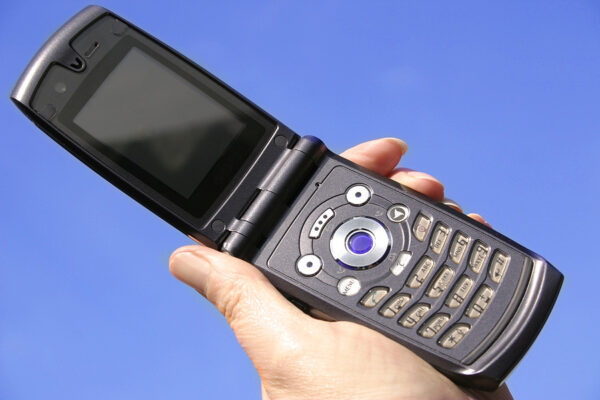
The Dumb Tech Movement is all about downsizing to tech that has fewer bells and whistles. It’s about trading in a smartphone for an old-time phone that can text and make calls. When you have a device that can only do so much, you protect your mental health and free up your time.
However, there’s a problem with the switch to dumb tech. The devices that people ditch end up in the waste stream. It’s adding to the already massive amounts of electronic waste (e-waste).
According to the United Nations’ Global E-Waste Monitor, the world generates more than 62 million tonnes (over 68.3 tons) of e-waste annually. Only 22.3% was properly collected and recycled. The volume of e-waste grows faster than recycling facilities can handle. The Dumb Tech Movement compounds the problem, as people ditch their devices for generic brands that don’t always last as long as expected.
We love the intention behind the Dumb Tech Movement. However, there has to be equal focus on scaling down and supporting the circular economy. It starts with responsibility regarding where devices go when you no longer need them.
Understanding the Dumb Tech Movement
The goal of the Dumb Tech Movement is to unplug and undergo a digital detox. It’s not as easy as some people think. Those who embrace the Dumb Tech Movement often struggle with their decision for the following reasons.
Cheap Build Quality
“Dumb” devices are marginally cheaper due to the decreased need for processors, graphics, and memory. Their build quality is usually much cheaper, too. You’re not getting Gorilla Glass or sturdy cases that are designed to be impact-resistant.
These devices use cheap parts that aren’t designed to last years or decades. They’re rarely replaceable parts that are easy to swap out. The lifespan is lower, so you’ll be buying and recycling at a faster pace.
Lifestyle Depends on Apps
One of the biggest hurdles is the dependency on apps. Depositing a check from home requires a smartphone and a camera. You’re going to a bank or an ATM to deposit your check if you don’t have a phone that can run your bank’s app.
If you use services like Uber, you need the app to arrange a ride. You may need your phone for options like Apple Pay or Google Pay. Gas station discounts often use an app, too.
The solution is to have two phones. People using the two-phone strategy have a less intuitive phone for daily use, but a second smartphone is tucked away for situations where it’s needed.
Now, you have two phones eventually going into the e-waste stream instead of one. If you also have a work phone with a separate personal phone, the number of electronic devices you’ll eventually need to dispose of increases.
The Retirement of Smart Devices Happens Prematurely
The average lifespan of an Apple iPhone is upwards of eight years. It’s around seven for a newer Google Pixel or Samsung Galaxy. If you’re ditching your year-old smartphone for a dumb device, your phone is being retired long before it should be.
If you’re recycling electronics correctly, they could undergo data wipes and be refurbished for sale. The problem is that a lot of people put their unused devices in a storage container, the back of a drawer, or in a closet, and forget about them. The battery degrades, and the phone’s components slowly become obsolete.
Why Cheap Phones Fail the Circular Economy
When you have a strong circular economy, the environmental impact of manufacturing and shipping a device is minimized because people use it for years and years. The longer it’s used, the less essential it is to mine new materials to make something new.
The goal is to use it as long as possible, refurbish it if possible, and recycle all materials at the end of its life. Cheap dumb phones fail a circular economy.
They’re designed to be simple and cheap. They’re not designed to be refurbished and reused for years. They’re not designed to be updated or upgraded. This shortens their lifespan and makes it hard to fix them up and resell them. They’ll end up in the waste stream faster than a
Organizations Are Big Offenders
Companies are also embracing the Dumb Tech Movement. This can lead to massive headaches if they’re not handled appropriately.
When companies dispose of mobile devices, laptops, and remote-work hardware without a careful disposal plan, the volume of e-waste grows quickly. Plus, corporate devices carry severe legal, financial, and environmental liabilities:
- Data Security Risks: Discarded business electronics are always at risk of data breaches. Even after a factory reset, today’s data recovery tools may recover data you thought was gone for good. You need professional data destruction services to ensure there’s no trace of an employee’s, patient’s, or customer’s financial data, medical information, or other personal information.
- ESG Reporting: Today’s businesses must disclose how much their companies impact the environment. Environmental, Social, and Governance (ESG) practices provide information about a company’s sustainability efforts. Failing to recycle e-waste impacts your rank.
- Regulatory Penalties: Not every state in the U.S. has strict electronics recycling laws, but some do. If you fail to recycle old office electronics properly, you risk steep fines. Plus, it will make the news and damage your company’s reputation.
ITAD and Certified E-Recycling: The Perfect Solution
Keep your reputation and help the environment by choosing a partner for ITAD and certified e-recycling. ITAD and electronics recycling ensure your unused devices are collected, have data destroyed, and are assessed for refurbishment or recycling. It protects you from data theft and government fines.
- Secure Logistics: Protects the chain of custody from the moment electronics are picked up at your office.
- Media Sanitization: Data is destroyed in accordance with the protocol applicable to your industry. NIST SP 800-88 is often suitable for most businesses, but government or military agencies may need a higher level.
- Evaluation: An assessment of each device determines whether there is value left, making the item suitable for refurbishment, or whether it’s best to recycle it.
- Certified Recycling: Outdated tech with no viable life is fed into shredders, ensuring that glass, plastic, and metals are recycled and reused.
Protect the Environment While Keeping Up With the Latest Tech
You should embrace the Dumb Tech Movement, but do so with care towards sustainability and the circular economy. Your tech freedom is just as important as the dwindling sources of some raw materials and the impact manufacturing and transportation have on the world.
Adopt a well-rounded approach to tech ownership and disposal. Use these three practices to minimize your impact.
- Close the Loop: Don’t tuck old tech into a drawer, attic, basement, garage, or other storage area. When you no longer use a device, immediately arrange ITAD and e-recycling. Do this by bringing your devices to an R2 and e-Steward electronics recycling partner like ERI. Consumers can bring devices to retailers such as Best Buy or Staples for proper recycling.
- Avoid Single-Use Products: Skip devices that won’t last for years. Cheap electronics that break down in a year aren’t worth it. If you’re purchasing a new one every year, it’s less useful than spending a bit more on a dumb device that will last several years.
- Optimize Your Current Devices: Before you invest in dumb devices, consider changing your settings. Turn the screen’s colors off. Delete social media apps. Set specific hours when you will not receive emails, text messages, or other notifications.
Making the most of the devices you have is always better than buying new. If it is time to invest in a new device, make sure you’re taking advantage of trade-ins where the company partners with ERI to destroy data, refurbish when appropriate, and recycle the rest. View our list of clients to see who we work with.