E-Waste and Election Years: The Effects of Democracy
Senators Tom Carper, Shelley Moore Capito, and John Boozman reintroduced The Recycling and Composting Accountability Act after it failed to make it past the House in 2022. The goals of […]
E-Waste and Election Years: The Effects of Democracy
Senators Tom Carper, Shelley Moore Capito, and John Boozman reintroduced The Recycling and Composting Accountability Act after it failed to make it past the House in 2022. The goals of […]
Choosing the Right Server Decommissioning Service Provider: Factors to Consider
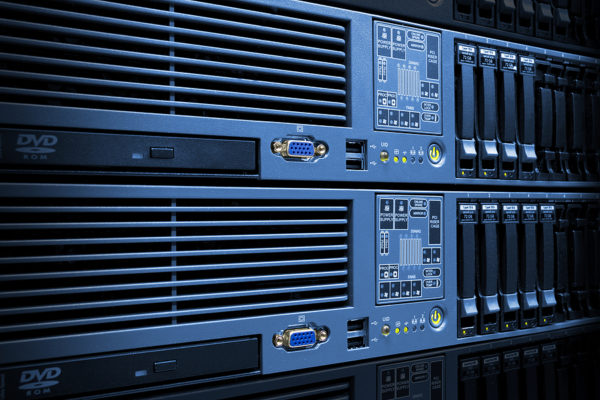
When you’re ready to decommission your company’s servers, it has to be done correctly. Work with an expert who understands that data security and environmental protections are just as important as the overall cost.
International Standards for Secure Hardware Destruction
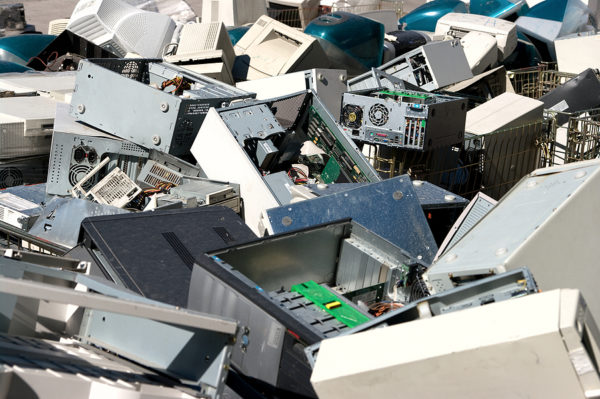
Every company and person possessing computers, printers, copiers, and other electronics must ensure that they destroy the hardware following their country’s standards. Improperly destroying electronics can affect lives and potentially lead to hefty fines, lawsuits, and negative publicity.
A Review of 2023/2024 E-Waste Regulatory and Law Changes
As 2023 came to an end, many laws related to electronics and battery recycling passed. Solar panel recycling gained traction. Going into 2024, what regulatory and law changes have passed, and what will be important to know about e-waste laws and regulations?
The Lifecycle of Servers: Knowing When and How to Decommission
Servers are the computer hardware and software components that make up a client-server model for a business or organization. You have the server and all the different workstations or devices in an office that connect to it through the network. Servers can:
E-Waste and Health: Addressing the Human Impact of Improper Disposal
In 2020, the EPA released the results of its study on municipal solid waste (MSW). Americans had generated around 292 million tons of MSW. Of that amount:
Why Proper E-Waste Data Destruction is Crucial for Businesses: Legal and Ethical Implications
Smartphones, tablets, and computers are some of the common types of e-waste, and most contain rechargeable lithium-ion batteries. They need to be carefully recycled, starting with data destruction.
Government Regulations and Their Impact on Lithium-Ion Battery Recycling
Government regulations help make it easier than ever to recycle these batteries. Learn more about the laws in the U.S. and many states regarding lithium-ion battery recycling.
National Versus Local Electronics Recyclers: Which Should I Choose?
Many households have around one in six electronic devices or appliances lying unused in storage areas, leading to clutter and environmental concerns. Proper recycling through certified programs like e-Stewards, NAID, and R2, offered by companies like ERI, ensures secure and eco-friendly disposal, safeguarding both the environment and personal data.
Data Destruction and Customer Trust: Building Stronger Relationships Through Security
Emphasizing the critical importance of data security, offering the FTC’s five-step plan, and advocating for certified ITAD providers like ERI to maintain customer trust through secure data handling and compliance.