E-Waste and Health: Addressing the Human Impact of Improper Disposal
In 2020, the EPA released the results of its study on municipal solid waste (MSW). Americans had generated around 292 million tons of MSW. Of that amount:

E-Waste and Health: Addressing the Human Impact of Improper Disposal
In 2020, the EPA released the results of its study on municipal solid waste (MSW). Americans had generated around 292 million tons of MSW. Of that amount:
Why Proper E-Waste Data Destruction is Crucial for Businesses: Legal and Ethical Implications
Smartphones, tablets, and computers are some of the common types of e-waste, and most contain rechargeable lithium-ion batteries. They need to be carefully recycled, starting with data destruction.
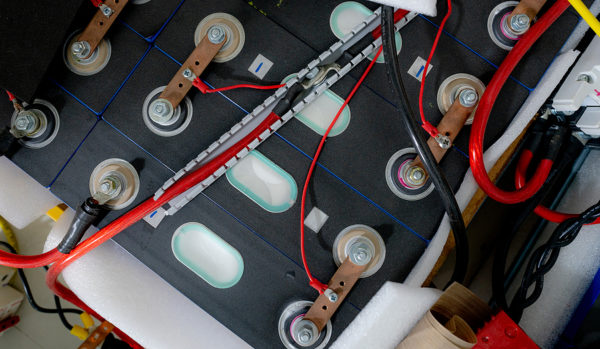
Government Regulations and Their Impact on Lithium-Ion Battery Recycling
Government regulations help make it easier than ever to recycle these batteries. Learn more about the laws in the U.S. and many states regarding lithium-ion battery recycling.
National Versus Local Electronics Recyclers: Which Should I Choose?
Many households have around one in six electronic devices or appliances lying unused in storage areas, leading to clutter and environmental concerns. Proper recycling through certified programs like e-Stewards, NAID, and R2, offered by companies like ERI, ensures secure and eco-friendly disposal, safeguarding both the environment and personal data.
Data Destruction and Customer Trust: Building Stronger Relationships Through Security
Emphasizing the critical importance of data security, offering the FTC’s five-step plan, and advocating for certified ITAD providers like ERI to maintain customer trust through secure data handling and compliance.
The Circular Life of a Smartphone: ITAD and Second Life Recycling Stories
Across the U.S., there are more than 310 million smartphone users, and the penetration rate for smartphones has quickly increased from 54.29% to 91.14% in just 10 years. In the […]
E-Waste Recycling Metrics: Measuring the Environmental Impact
The average U.S. household has almost 30 electronic products that are used daily. That includes computers, phones, TVs, tablets, e-readers, etc. How many do you have? What happens when your […]
Why Data Destruction is Essential for GDPR and Data Privacy Compliance
Across the U.S., there are laws and regulations that require companies and organizations to safeguard consumer information. If you work in a business, office, or practice that collects personal identifiable […]
Electronic Recycling on a Global Scale: Collaborative Efforts and Success Stories
Global e-waste is currently around 53.6 metric tons in 2020. In another seven years, estimates are that we’ll reach 75 million metric tons. In the 2010s, the generation of e-waste […]
The Process of Recycling Electronics on a Corporate Scale
Electronics recycling is important for so many reasons. Your employees, clients, customers, shareholders, and contractors likely have shared confidential data with your corporate offices at some point. If any of […]